
Our founder’s combination of scientific background, business acumen and hands-on experience working with people living with dementia and their loved ones means she has a unique insight into where the needs of this group intersect with the needs and abilities of businesses, charities and people with brain health conditions. This makes her perfectly placed to provide advice to enable and empower you to confidently develop and select products and services for the dementia community and people with other brain health conditions.
Dr Sargent enjoyed an extensive career in pharmaceutical science as both a scientist and project manager for international giants such as AstraZeneca and Merck, researching the physical outcomes of chronic diseases and working at an international level at sites in the UK, France, Sweden and the US. This period of her career included five years as a consultant for large drug companies looking at business opportunities that could best support disease intervention.
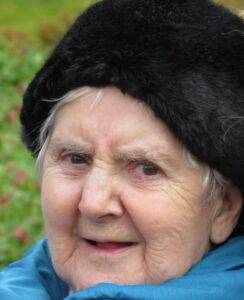
Carol moved away from this when both her mother and mother-in-law were diagnosed with dementia, so she could care for them. As a family carer she combined her natural scientific outlook and years of research experience with empathy and curiosity to learn how improvements could be made and solutions provided for her family.
In 2014, she switched careers and founded MindforYou, an organisation that planned and delivered specialist, fully-supported holidays for people living with dementia and their family carers. During this time, she amassed a huge amount of knowledge and expertise in the practical delivery of holidays, days out and hospitality for the dementia and older adult community.
Working with experts in the field, Carol developed social impact measurements, set up focus groups and spoke at length with carers about their challenges. This culminated in contributions to Visit England and Visit Scotland Business Support Guide on Dementia-Friendly tourism, presentation of health and wellbeing evidence at the UK Dementia Congress in 2019 and the inclusion of dementia as a reviewer in the disabled access review guide, Euan’s Guide.
Post-pandemic, Carol successfully led the conversion of the organisation to a charitable cooperative and fundraised to help restart and grow the holiday provision for this market, resulting in a total raise of £465K.
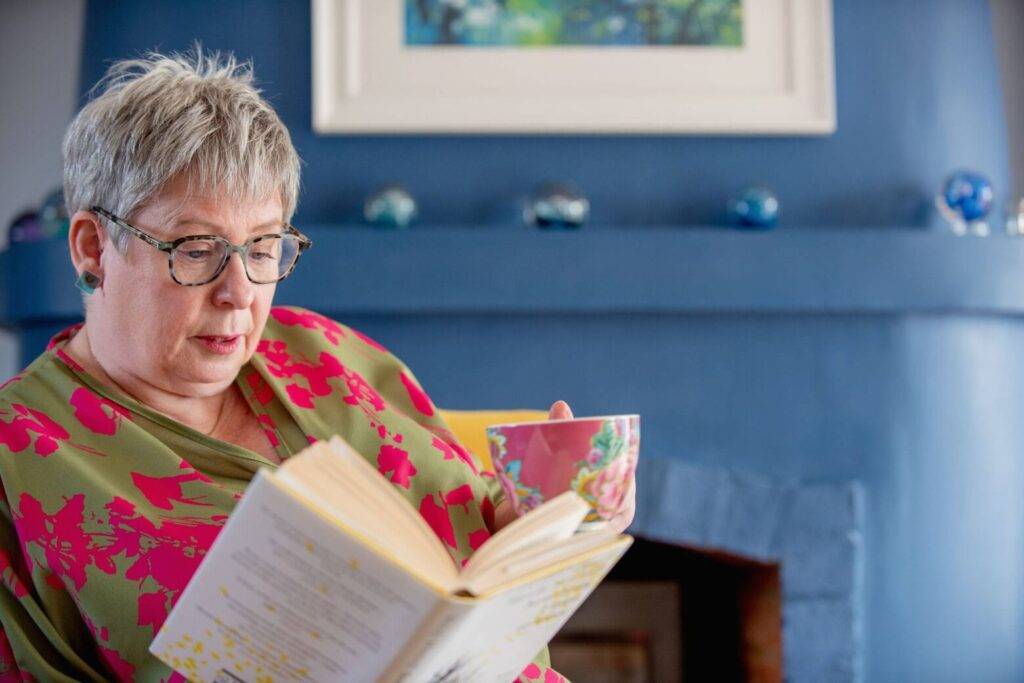
Seeing the huge difference that MindforYou made to its clients over the years, Carol felt strongly that more people should be able to benefit from this kind of provision and be aware of the range of solutions available to overcome different barriers . In December 2022, she stepped away from the organisation and, in February registered Sargent Group Consulting to give people the confidence to live their best lives with dementia and other brain health conditions.
Since then, Dr Sargent has developed several exciting and successful collaborations and brought additional key consultants into the business. She has also enlisted the involvement of charities and distributors. Sargent Group Consulting can also provide our customers with comprehensive advice to enable and empower people with invisible disabilities.
Carol has established partnership to facilitate to support one another, to continue to enjoy new experiences, services and product, to have a voice whilst raising awareness of specific improvements that can be made. Carol also continues to work at a local level in the UK, to support those living with dementia in her own community and is Vice Chair and Secretary of the Leicester, Leicestershire and Rutland Dementia-Friendly Community, Chair of the Charnwood Dementia Action Group and facilitator for DEEP Discoveries and Soar Valley Dementia Project.
Over the course of her career, Dr Sargent has amassed a wealth of important knowledge expertise and evidence. Her particular combination of experience, knowledge and expertise is unrivalled in this field and she is looking forward to creating a social shift where dementia and other disabilities are no longer seen as the end, but a new phase, in which a great deal of life can still be lived.