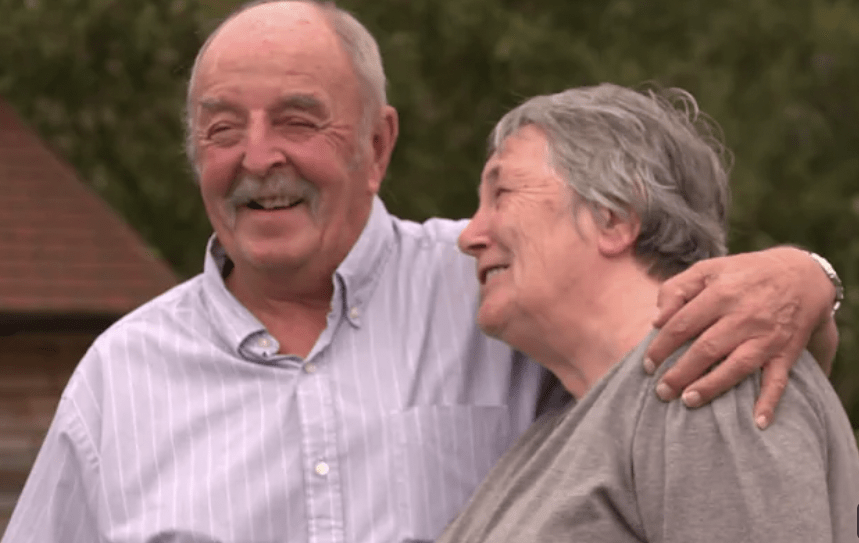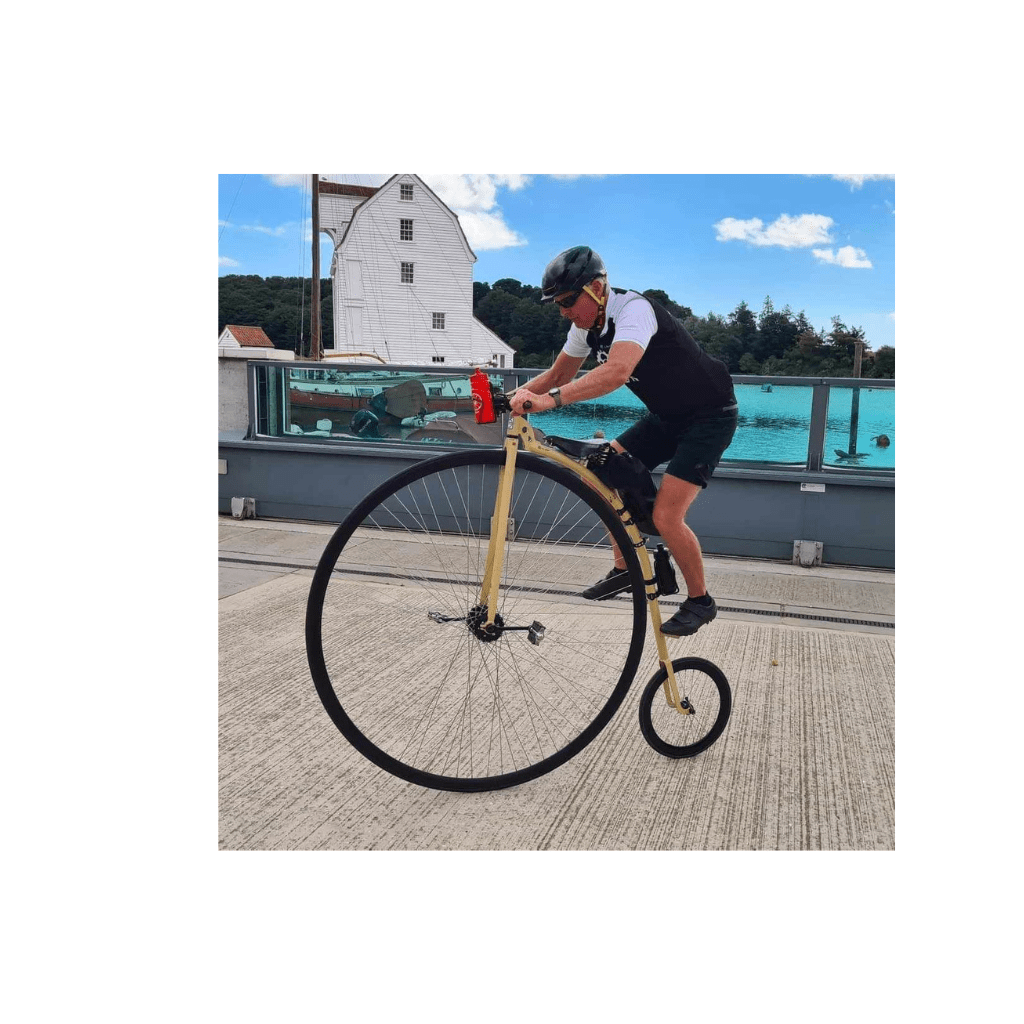
I was inspired by the wonderful relationship developed between Peter and Deb from a mutual love for cycling, travelling and challenging the myths around dementia and asked Deb to write our first travel blog.
“Why didst thou promise such a beauteous day
And make me travel forth without my cloak
To let base clouds o’ertake me in my way,
Hiding thy bravery in their rotten smoke?”
Shakespeare, Sonnet 34
I recently wrote an article where Peter described living with dementia as analogous to wearing a ‘tatty coat of dementia’. (https://www.access-care.co.uk/post/life-with-dementia-isn-t-over-it-s-just-a-little-different).
Thank you, Shakespeare, for providing me with a quote to continue this sartorial theme.
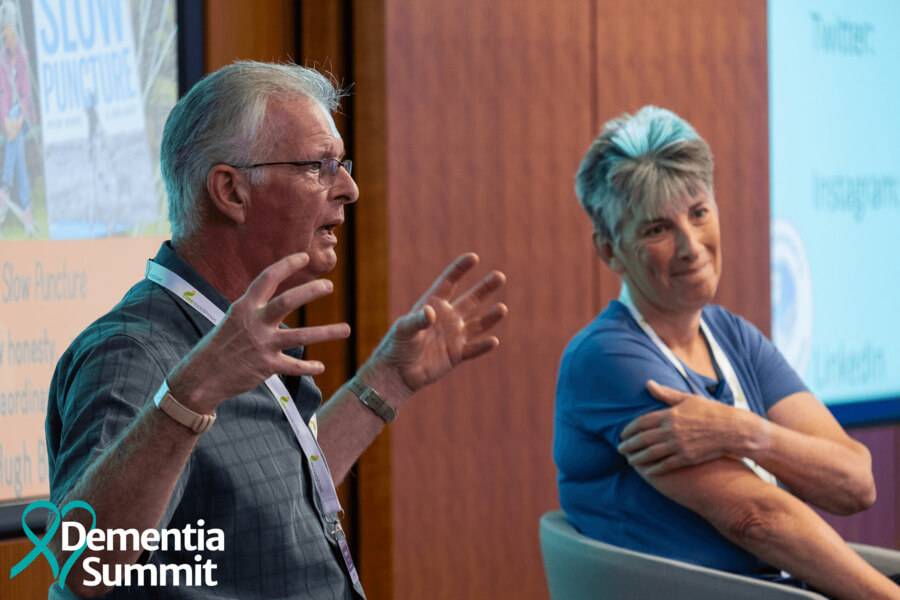
With his travel cloak flung over his shoulders, Peter, Teresa (Peter’s wife) and I recently travelled to London for the Dementia Summit. The first part of the journey was on a packed train and we sat separately from each other causing the tiniest speck of worry to float down and settle on Peter’s cloak. He brushed it off when his common-sense kicked in: he knew he was on a train; he could read the destination board and intuitively, he knew that someone was with him because he wouldn’t undertake this journey on his own. Finally, he knew we were either going to go shopping (unlikely given his absolute loathing of this activity!) or we were going to attend an event.
I texted: “We are off to London – conference”. His response was instant “Ah, I wondered what we were doing!”
We sat together on the connecting train and Peter was more relaxed. Next: the busy underground and I wondered if Peter’s anxiety had increased as he pulled the cloak tighter to him.
For Peter, travelling without his cloak of familiarity had the potential to create emotional angst and vulnerability.
At 7am the next morning, I received a text.
“Hi – we’re in London apparently.”
“Me too,” I answered.
“Oh, what a fool I am,” he texted back.
“Your dementia is the fool, not you,” I answered.
We met for the breakfast buffet. I left my glasses and phone on the table as a reminder that I was there. I hoped this would remove the surprise – and subsequent embarrassment – at seeing me again.
Finally, we left for the conference. Teresa was catching up with friends. Even as Peter and I headed to the underground I knew he had forgotten Teresa had been with him and, equally, I knew he had no idea where we were going.
So, what did I do to mitigate these challenges? How did I support a man – a proud and dignified man – whose lack of memory had left him feeling vulnerable and, more crucially, how did I do this without patronising him?
I dropped reminders into the conversation, I used people’s names, I gave summaries before I started a new sentence to contextualise events for him. I worked on the assumption that he remembered nothing and that the landscape behind and ahead was blank. My job was to provide the colour to help bring his landscape back to life.
This works for Peter; I concede it might not work for everybody.
Removing Peter from his familiar comfortable surroundings was going to create challenges. Teresa and I were excited about our trip and its potential to explode into colour but for Peter, the trip was grey with unknown obstacles.
Of course, when Peter spoke at the conference, he shrugged off his cloak of vulnerability, replacing it with one of humour and wisdom, of insight and humility. Ah, now his day had colour and fireworks, now the landscape was rife with new life, now he was the old Peter, the confident Peter.
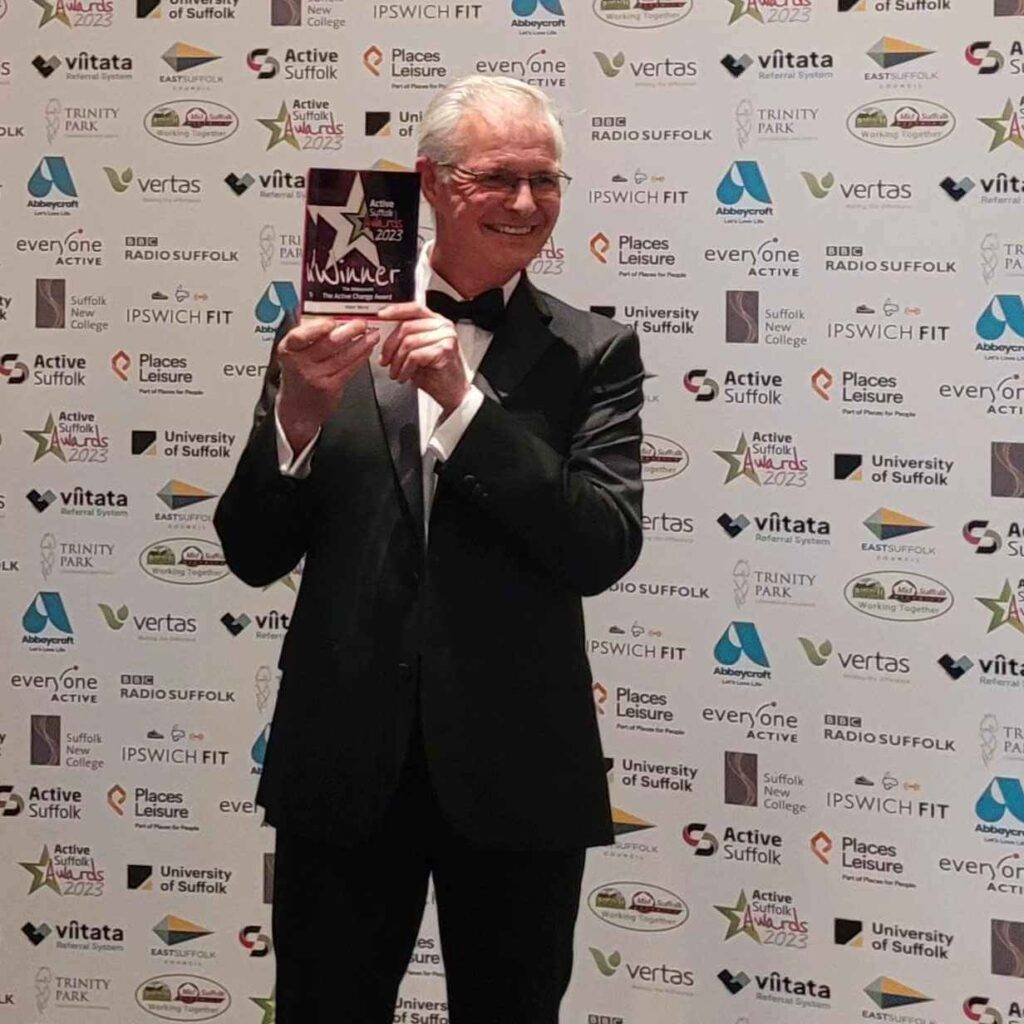
As I reflected on our trip to London, I hoped Peter’s journey had not been blighted by “rotten smoke” but that we had managed to create the promised “beauteous day” for him and provided him with a cloak that kept him safe, warm and less vulnerable to the ravages of those, always lurking, base clouds.